
Nutritious Food Preparation Guide
Master the art of preparing wholesome meals with our comprehensive educational resources and expert techniques
The information on this site is for educational purposes only and does not constitute medical advice. Always consult a qualified healthcare professional before making health decisions.
Browse by Category
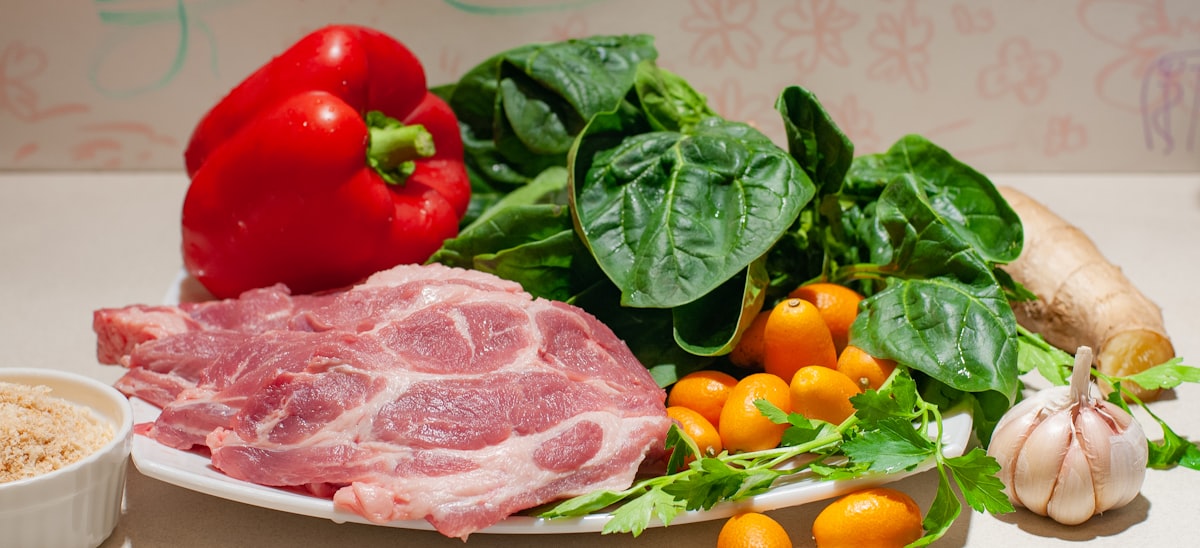
Complete Vegetable Preparation Guide
Learn proper washing, chopping, and storage techniques for maximum nutrient retention. Discover how to prepare common vegetables like leafy greens, root vegetables, and cruciferous varieties for optimal texture and flavor in your meals.
Whole Grains & Seeds Mastery
Explore the complete process for preparing quinoa, brown rice, farro, and millet. Understand soaking, rinsing, and cooking ratios to achieve perfect texture every time. Learn about nutritional profiles and how proper preparation enhances digestibility and nutrient availability.
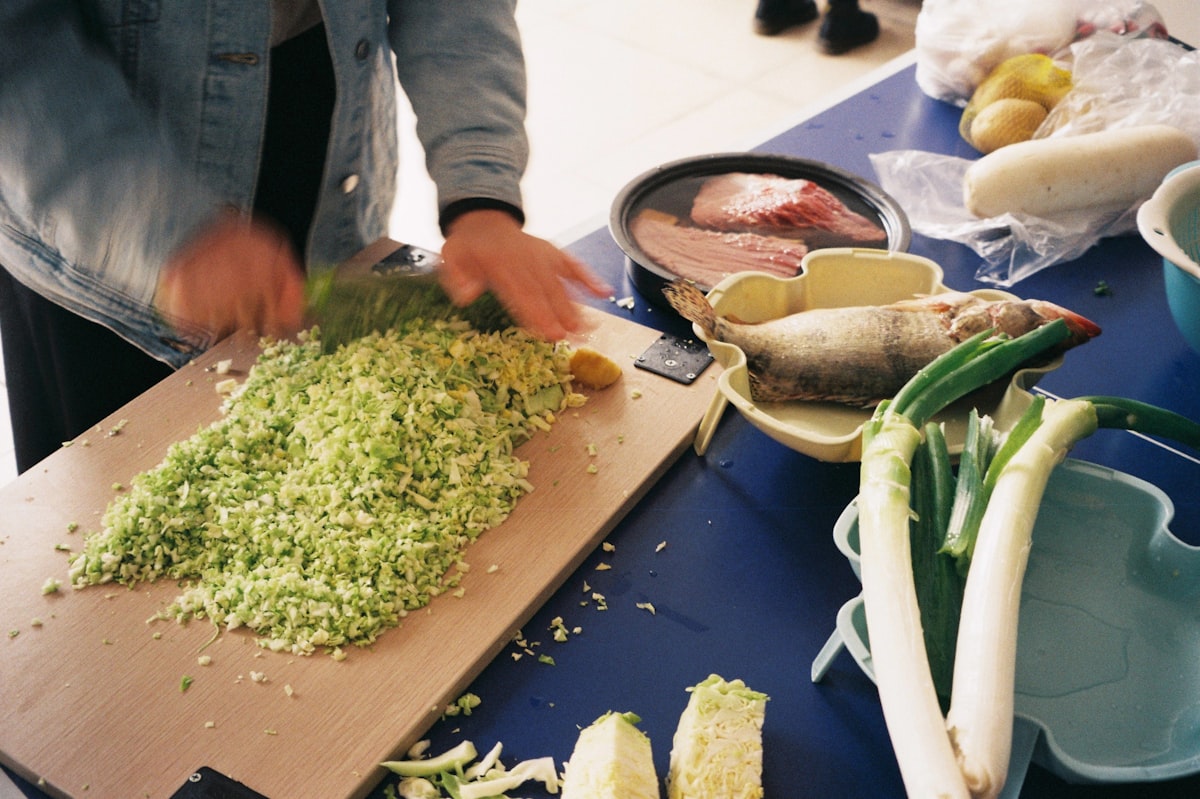
Legume & Pulse Preparation
Master the preparation of beans, lentils, and chickpeas with detailed soaking and cooking instructions. Discover techniques to minimize natural compounds that may cause digestive discomfort, and learn how to cook legumes to perfection with ideal firmness and flavor every time.
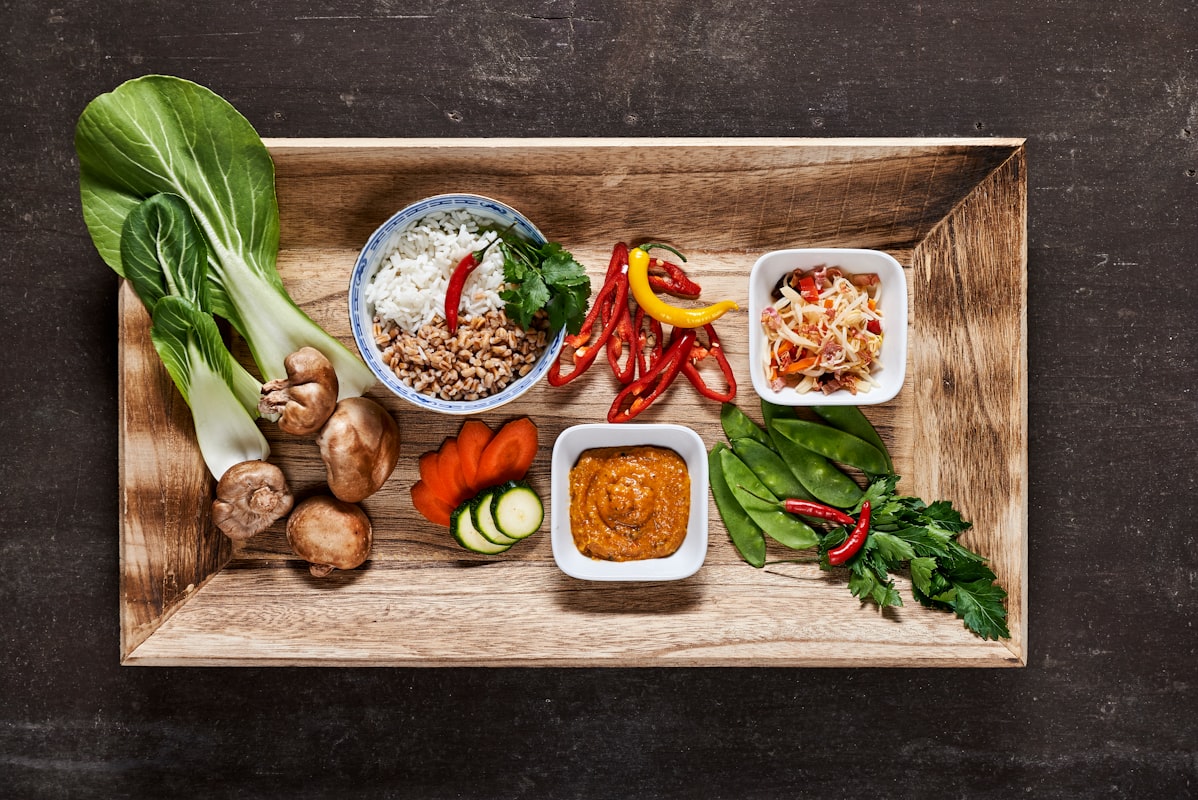
Professional Cooking Methods
Explore steaming, roasting, boiling, and slow-cooking techniques to preserve nutritional content. Understand how different temperature ranges and cooking times affect vitamin retention, enzyme activity, and overall nutrient bioavailability in whole foods.
Strategic Meal Planning Framework
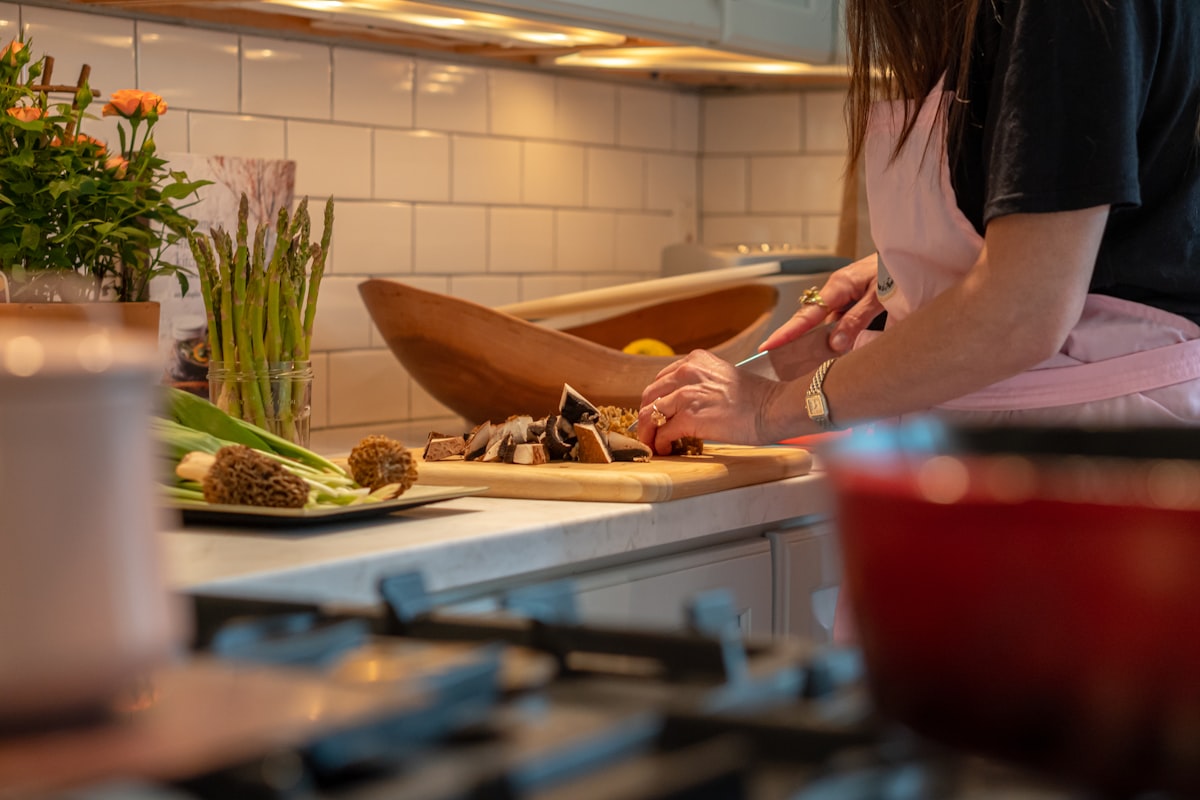
Learn how to plan nutritious meals for the entire week using batch cooking and smart storage. Discover how to balance macronutrients, incorporate seasonal foods, and maintain variety while minimizing food waste and saving preparation time.
Food Storage & Freshness Guide
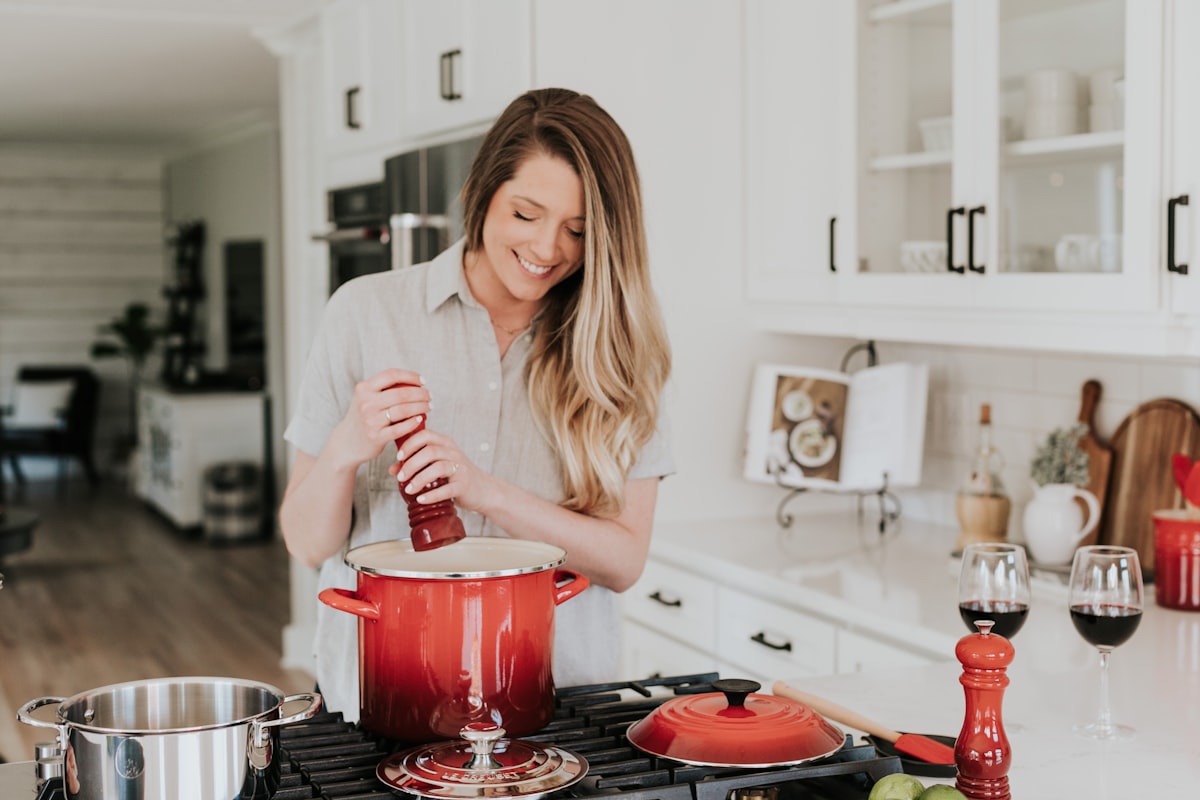
Understand optimal storage temperatures, humidity levels, and container choices for different food types. Learn proper refrigeration techniques, freezing methods, and how to maintain nutritional quality during storage for extended shelf life without quality loss.
Essential Preparation Insights
Discover key principles that underpin nutritious food preparation and how they contribute to better meals and wellness.
Nutrient Retention
Proper preparation methods preserve vitamins, minerals, and antioxidants naturally present in whole foods. Understanding cooking temperatures and durations ensures maximum nutrient density in every meal.
Time Efficiency
Smart preparation and batch cooking save time throughout the week. Learn techniques that streamline your kitchen work while maintaining high standards of food quality and nutritional value.
Digestibility
Certain preparation methods enhance how your body processes whole foods. Soaking, sprouting, and cooking techniques can increase nutrient bioavailability and overall digestive comfort.
Flavor Development
Proper techniques enhance natural flavors without artificial additives. Learn how roasting, searing, and slow cooking develop complex tastes that make nutritious food genuinely enjoyable.
Waste Reduction
Thoughtful preparation minimizes food waste while maximizing ingredient usage. Discover creative ways to use peels, stems, and scraps in broths, stocks, and composting strategies.
Seasonal Eating
Embrace seasonal whole foods at their peak nutritional value and flavor. Learn how seasonal eating connects you with natural food cycles while supporting local agriculture.
Common Preparation Questions
Answers to questions about food preparation, nutrition, and cooking techniques.
Most vegetables are best prepared with shorter cooking times—typically 5 to 15 minutes depending on the vegetable and method. Steaming and light sautéing preserve more heat-sensitive vitamins than boiling. Harder vegetables like root vegetables may require longer cooking, while leafy greens cook in minutes. The goal is tender-crisp texture where vegetables are cooked through but still firm to preserve color, flavor, and nutritional content.
Soak dried beans in cold water for 8 to 12 hours, or use a quick-soak method by boiling for 2 minutes then letting them rest for 1 hour. Drain the soaking water and rinse thoroughly. Cook in fresh water at a gentle simmer for 1 to 3 hours depending on bean type, adding salt only in the final 20 minutes. This method helps reduce compounds that can cause digestive discomfort while maintaining nutrient density. Properly cooked beans should be tender but hold their shape.
Many grains benefit from soaking in acidic liquid like lemon juice or vinegar for several hours before cooking, which can reduce phytic acid and enhance mineral absorption. Always rinse grains thoroughly before cooking. Use the proper water-to-grain ratio—usually 2 parts water to 1 part grain—and cook at a gentle simmer until tender. Different grains require different cooking times, so follow specific guidelines for quinoa, millet, farro, and other varieties for best results.
Store cooked grains and legumes in airtight glass containers in the refrigerator for up to 5 days, or freeze for several months. Raw vegetables should be stored in the crisper drawer with appropriate humidity levels—most prefer higher humidity, while some like onions prefer lower humidity. Allow hot foods to cool to room temperature before refrigerating to avoid temperature shock. Label containers with preparation dates to track freshness and rotate older items to the front.
Yes, washing vegetables before use removes soil particles and potential surface contaminants. For delicate vegetables like berries and leafy greens, use cool running water and gentle handling. For firmer vegetables, you can use a soft brush if needed. Even organically grown produce should be washed, as it may still carry soil or other particles. Avoid soaking vegetables in water for extended periods, as this can leach water-soluble nutrients.
Batch cooking allows you to prepare large quantities of grains, legumes, and vegetables at once using optimal techniques, ensuring consistent quality and nutrition throughout the week. Prepare components separately so you can mix and combine them in different ways to maintain variety. This approach ensures you follow proper cooking methods that preserve nutrients, rather than relying on quick convenience foods. Proper storage of batch-cooked items maintains freshness and nutritional value for several days.
What Readers Say
Feedback from people who have applied these preparation techniques to improve their cooking.
"The vegetable preparation guide transformed how I cook. I never realized how much texture and flavor I was losing with improper cooking times. Now my meals taste better and I know I'm preserving the nutrients. The batch cooking section saved me hours each week."
Maria Schneider
Frankfurt
"Finally understanding how to properly cook legumes was a game-changer. I used to get bloating and discomfort, but following the soaking and cooking methods here completely resolved that. The detailed instructions are clear and easy to follow, even for a beginner."
Thomas Wagner
Munich
"The grain preparation guide explained things my mother never taught me. Understanding soaking and proper water ratios means my rice and quinoa come out perfect every time. I feel more confident in the kitchen and actually enjoy meal prep now."
Helena Müller
Berlin
"This resource is comprehensive yet practical. The storage guide alone has reduced my food waste significantly. I appreciate how the articles explain the science behind each technique—knowing the 'why' makes me more committed to doing things properly."
Klaus Hoffmann
Hamburg
Ready to Master Nutritious Cooking?
Browse our complete recipe collection and advanced cooking techniques to transform how you prepare whole foods every day.